

Overview
In industrial process control and wastewater treatment, pH and ORP (Oxidation-Reduction Potential) measurements are critical parameters. Selecting the appropriate industrial pH controller or ORP controller is essential for ensuring process stability, product quality, and regulatory compliance. This guide will help you choose the most suitable pH/ORP control system for your industrial needs.
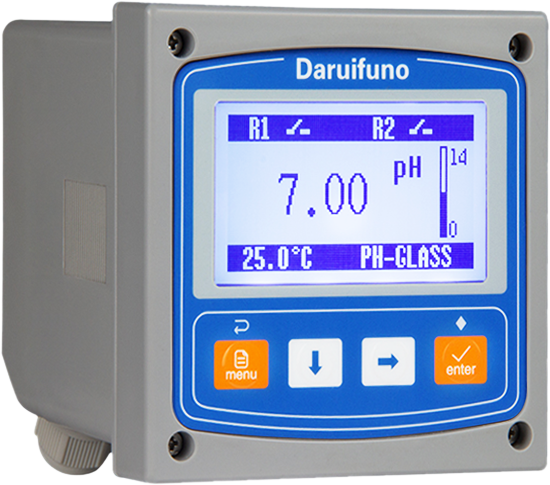
1. Understand Your Application Requirements
First, identify your specific industrial application:
- Wastewater treatment systems
- Chemical processing plants
- Food and beverage production
- Pharmaceutical manufacturing
- Electroplating and metal surface treatment
Different industries have varying requirements for pH control equipment and ORP measurement devices. For example, the food industry often requires hygienic designs, while chemical plants may need explosion-proof models.
2. Key Selection Factors
Measurement Range
Ensure the controller covers the full range of pH/ORP values in your process. Industrial pH controllers typically need 0-14pH full-range measurement capability.
Accuracy Requirements
Choose appropriate accuracy based on process sensitivity. Industrial-grade pH meters should achieve at least ±0.1pH accuracy.
Temperature Compensation
Select models with Automatic Temperature Compensation (ATC) to eliminate measurement errors caused by temperature variations.
Material Compatibility
Electrode and sensor materials must be compatible with your process media. Consider corrosion resistance requirements for industrial pH sensors.
Output and Control Functions
Determine whether you need analog outputs (4-20mA), relay controls, or digital communication interfaces (like Modbus) in your process control system.
Pro Tip:
For harsh industrial environments, look for rugged pH/ORP controllers with IP65 or higher protection ratings and chemical-resistant housings.
3. Controller Type Selection
Single-Parameter vs Multi-Parameter Controllers
Choose between pH-only, ORP-only, or combined pH/ORP controllers based on your simultaneous monitoring needs.
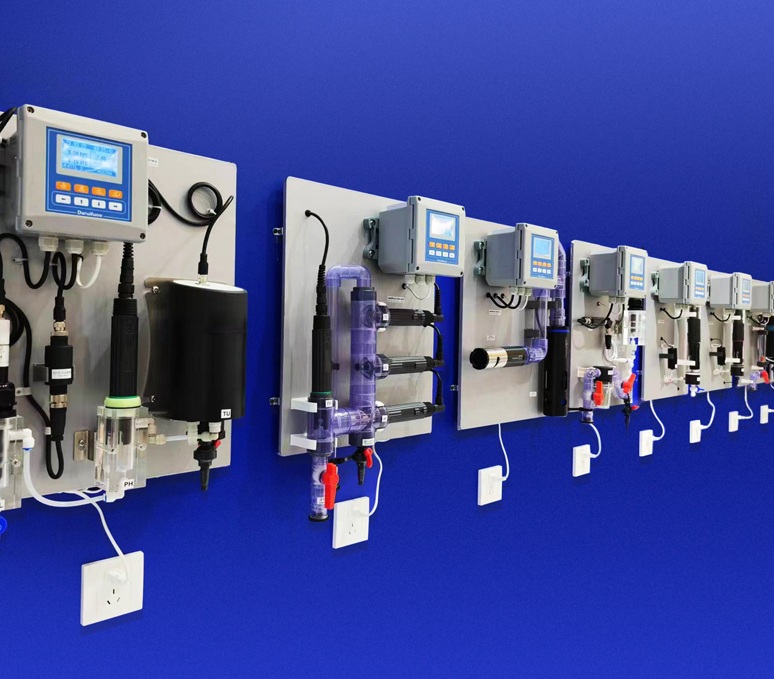
Panel-Mount vs Field-Mount
Consider installation environment and operator accessibility when selecting the mounting style for your water quality controller.
Smart Features
Modern industrial pH/ORP controllers may include:
- Auto-calibration functions
- Data logging capabilities
- Programmable alarm functions
- Remote monitoring options
4. Brand and Reliability Considerations
Choosing industrial-grade pH controllers from reputable manufacturers ensures:
- Long-term stability
- Measurement accuracy
- Technical support availability
- Replacement part accessibility
5. Maintenance and Calibration
Consider the maintenance aspects of your process instrumentation:
- Electrode replacement frequency
- Ease of calibration
- Cleaning requirements
Regular calibration is crucial for maintaining accurate pH/ORP measurements. Controllers with auto-calibration or calibration reminder features can significantly reduce maintenance workload.
Conclusion
Selecting the right industrial pH/ORP controller requires careful consideration of application requirements, measurement needs, environmental conditions, and maintenance factors. While high-quality controllers may have higher initial costs, they typically offer more reliable performance and lower total cost of ownership in the long run.
Need help selecting the perfect pH/ORP control system for your industrial application? Visit our pH/ORP Controllers category page for product information and technical support. Our online sales managers will provide personalized recommendations based on your specific process requirements.
